Taliban’s Bold Trade Pivot: How Kabul Is Using Chabahar Port and Air Routes to Cut Pakistan Out
How the Taliban Are Rerouting Trade and It’s All About India, Not Pakistan
In a striking geopolitical pivot, Afghanistan under the Taliban is accelerating efforts to deepen trade with India. It is not over the traditional land routes through Pakistan, but via strategic sea and air corridors. This shift is being powered by renewed cargo flights and smarter port diplomacy, demonstrating how Kabul is rewiring its economic future.
1. A Strategic Visit Sparks Real Change
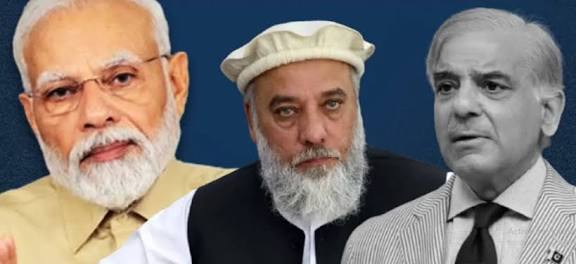
Afghan Trade Minister Nooruddin Azizi recently wrapped up a high-stakes, five-day trip to India. During his visit, both sides announced concrete plans to revive and scale up commercial ties. Azizi led a large business delegation, signaling that this isn’t just diplomacy. It’s a full-court economic rapprochement.
2. Air Cargo Corridors Reactivated
One of the biggest moves: India and Afghanistan have activated air freight corridors between Kabul and Delhi, and Kabul and Amritsar.
According to Anand Prakash, Joint Secretary in India’s MEA, formalities from the Indian side are complete, and cargo flights will begin “very soon.”
These air routes will dramatically improve the speed and reliability of trade , especially for time-sensitive Afghan exports like fresh fruit and medicinal herbs.
3. Sea Route: Chabahar Port Comes to Center Stage
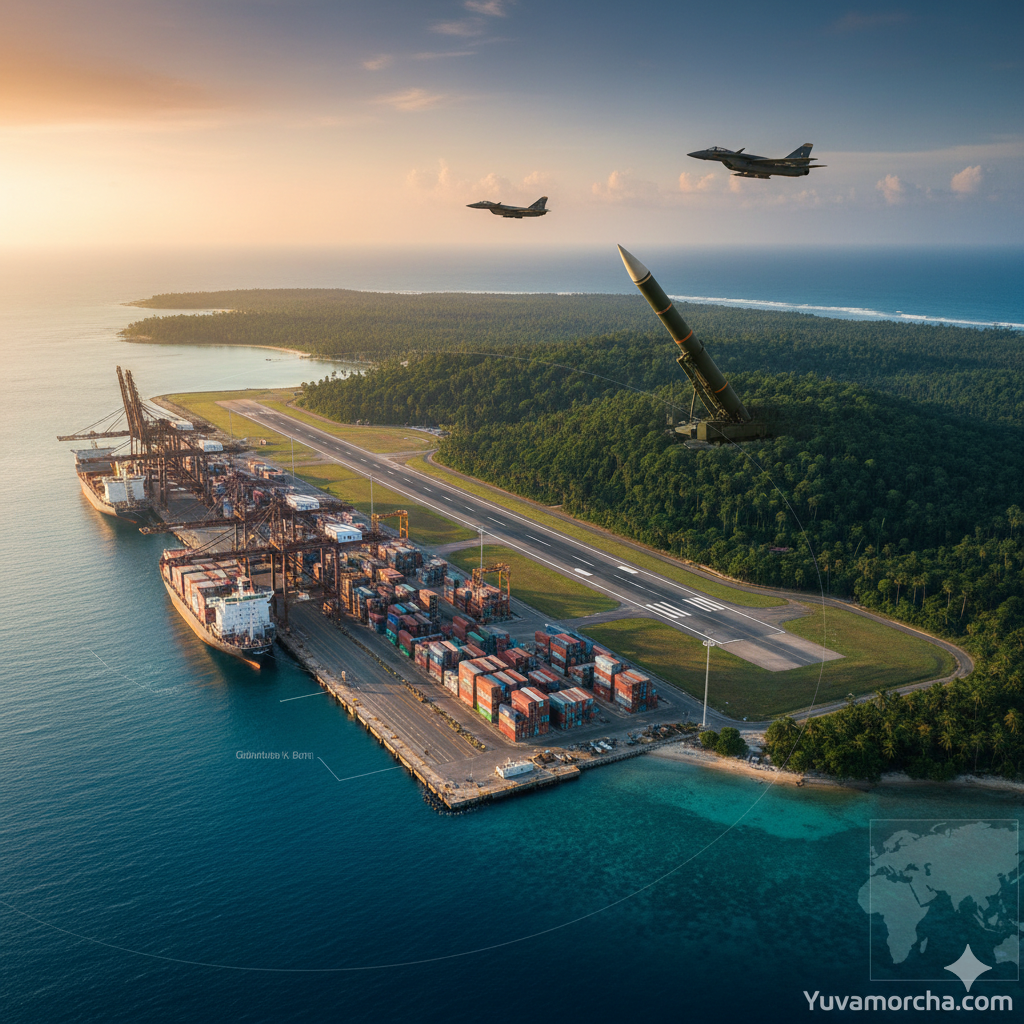
Equally important is the renewed emphasis on Iran’s Chabahar port, a facility in which India has made strategic investments.
Azizi asked India to help launch scheduled shipping services from Chabahar.
He also proposed building dry ports in Nimruz province (in Afghanistan, near the Iran border) to serve as inland hubs and simplify logistics.
On the Indian side, there’s a push for smoother handling of Afghan cargo at Nhava Sheva port (Mumbai), to speed up transit.
4. Institutional Support: People on Ground to Make It Work
To support this scaling-up, both nations agreed to appoint dedicated commercial attachés in each other’s capitals.
The revival of a joint working group on trade, commerce, and investment was also pledged , a mechanism to institutionalize cooperation.
On the Afghan side, Azizi is offering strong incentives to Indian investors: tax breaks, free land, stable power, and tariff cuts on machinery and raw materials.
He specifically invited Indian firms to invest in sectors like mining, textiles, energy, agriculture, healthcare, IT, and fruit processing.
5. Why This Shift Matters And Why Pakistan Is Losing Influence
This isn’t just economics — it’s strategic realignment.
Kabul has grown increasingly wary of relying on Pakistan. Repeated border closures and political tensions have disrupted trade, prompting a rethink.
By leveraging Chabahar and opening air links, Afghanistan reduces its dependence on Pakistani routes — a major recalibration.
For India, the Chabahar route and air corridors provide critical access to Central Asia and beyond, bypassing Pakistan entirely.
Afghan Deputy PM Mullah Baradar has publicly called on traders to wind down business through Pakistan, framing it as a “political misuse” of trade routes.
6. Challenges and Risks Ahead
Of course, this realignment is not without obstacles:
While corridors are “activated,” Afghanistan still needs to complete documentation and regulatory steps before full cargo operations begin.
Financing and infrastructure remain a concern: building dry ports, expanding shipping lines, and scaling logistics isn’t cheap.
Political risk is high: the Taliban government’s global legitimacy, sanctions risk, and internal stability could all affect long-term trust.
India is navigating a fine line: increased engagement with the Taliban for trade does not equate to full political recognition, making diplomatic optics delicate.
Why this is very important
Big geopolitical shift: The story challenges entrenched narratives — it’s not just a trade story, it’s about reconfiguring regional power.
Economic stakes + human impact: The potential boom in Afghan exports, Indian investments, and trade corridor development is huge — real money, real lives.
Controversy: The Taliban’s legitimacy, Pakistan’s exclusion, and India’s diplomatic tightrope make this a hot topic.