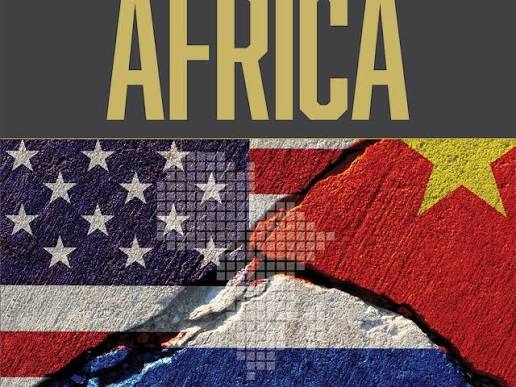
🌍 Is the US Losing Africa to Russia and China? A Deep Dive into the New Great Power Competition
Over the past decade, global geopolitics has undergone a dramatic shift and nowhere is this more evident than in Africa, a continent rapidly transforming into the focal point of a new power struggle.
Yes, current analysis suggests the United States is losing ground in Africa to China and Russia, who have significantly expanded their influence through different, often more effective, strategies. China’s economic dominance and Russia’s military engagements have positioned them as increasingly influential partners, while U.S. engagement is often perceived as inconsistent and less prioritized.
As the United States’ influence wanes, China and Russia continue to strengthen their economic, political, and military foothold, reshaping alliances and redrawing strategic maps.
This growing geopolitical pivot raises an increasingly relevant question:
Is Africa slipping out of Washington’s orbit and into the sphere of Beijing and Moscow?
🇺🇸 Declining US Footprint: Funding Cuts, Policy Drift & Diplomatic Gaps
For much of the late 20th century, the United States enjoyed strong influence across Africa through aid, trade partnerships, peacekeeping support, and diplomatic programs. However, several factors have weakened the American position:
1. Shrinking Development Assistance and Investment
US and European development financing has steadily decreased, creating major funding gaps in:
Social welfare and poverty reduction
Climate change mitigation
Healthcare infrastructure
Education and employment programs
African nations facing rising debt and urgent development needs have been forced to look elsewhere for reliable financing.
2. Tariffs That Hurt African Economies
US trade policies have unintentionally damaged African exporters.
Recent tariff decisions particularly in textiles, steel, and agricultural goods have:
Reduced African access to US markets
Hurt small and mid-sized suppliers
Slowed job creation in manufacturing hubs
In contrast, China has done the opposite.
3. Weak Diplomatic Presence
Many US embassies across Africa have:
Vacant ambassador positions
Understaffed offices
Reduced cultural and educational exchange programs
This limits Washington’s ability to build relationships or respond quickly to emerging issues.
4. Image Problems & Scandals
Controversies involving American corporations especially in mining and extraction industries have further eroded trust.
Cases of:
Environmental damage
Child labor in supply chains
Resource exploitation
…have triggered backlash and fueled anti-Western sentiment.
🇨🇳 China’s Rise: Infrastructure, Trade & Soft Power Diplomacy
China’s ascent in Africa has been nothing short of transformative.
1. Massive Infrastructure Investment
Through the Belt and Road Initiative (BRI), China has financed and built:
Highways and railways
Ports and industrial zones
Power stations and renewable energy facilities
Airports and digital infrastructure
These projects often come with low-interest loans, fast completion timelines, and less political conditionality compared to Western aid.
2. Tariff-Free Trade & Market Access
China has established tariff-free trade regimes with dozens of African countries. This has:
Boosted African exports
Made Chinese goods more affordable
Deepened commercial ties
3. Strong Political Engagement
Chinese diplomats frequently visit African capitals, forging long-term partnerships with:
Governments
State-owned enterprises
Political parties
China also trains African civil servants, military officers, and technocrats, expanding soft power.
4. A Narrative of “South–South Cooperation”
Unlike the US, which often ties aid to governance standards, China promotes a message of mutual respect and non-interference, which resonates strongly across the continent.
🇷🇺 Russia’s Growing Influence: Security, Arms & Geopolitical Strategy
While China focuses on economics, Russia’s influence is driven largely by security and political partnerships.
1. Military Contracts & Security Support
Russia has become one of Africa’s leading suppliers of:
Military hardware
Arms and ammunition
Security advisors
Countries like Mali, Sudan, the Central African Republic, and Niger have turned to Moscow for defense cooperation.
2. Political Alliances
Russia supports governments seeking alternatives to Western political pressure, building alliances through:
UN voting blocs
Energy partnerships
Mining agreements
3. Expansion via BRICS
The expansion of BRICS (now including Egypt, Ethiopia and others) has further strengthened Russia and China’s ability to court African nations and promote a multipolar global order.
🏛 Why Africa Matters: Strategic, Economic & Demographic Power
Africa is increasingly central to global geopolitics due to:
1.4 billion people, soon to reach 2.5 billion
Vast mineral wealth (cobalt, lithium, gold, rare earths)
Huge agricultural potential
Emerging digital economies
Critical shipping routes and naval chokepoints
The continent is not just a battleground for influence it is a key engine of future global growth.
🌐 Conclusion: A New World Order Taking Shape
The evidence is increasingly clear:
The US is losing strategic influence in Africa, while China and Russia are rapidly filling the vacuum.
Where the US offers:
Delayed diplomacy
Reduced financing
Conditional aid
China and Russia provide:
Quick funds
Infrastructure
Military partnerships
Political engagement
Africa is not merely shifting alliances , it is repositioning itself in a more multipolar world, choosing partners based on practical advantages, not ideological preferences.
The next decade will determine whether the US rebuilds its engagement or continues ceding ground to Beijing and Moscow.
Sudheendra Kumar