Sharing is caring!
When Water Becomes a Weapon: Kabul’s Plan to Build the Kunar Dam Deepens Mistrust with Islamabad
Pakistan is paying the price for manufacturing and Export of Terrorists…
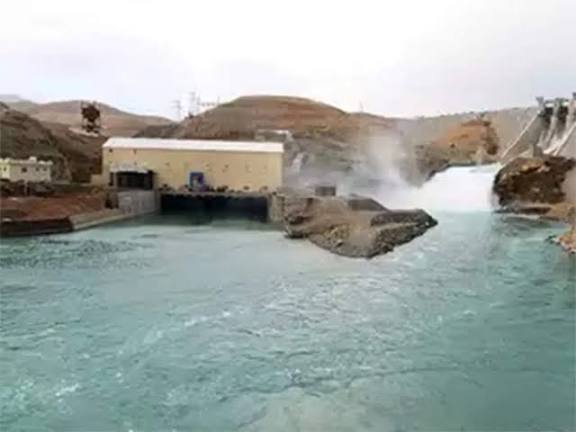
In a move laden with geopolitical symbolism, the Taliban-led administration in Kabul has announced the expedited construction of a dam on the Kunar River, a river that flows from northeastern Afghanistan into Pakistan.
The decision, as reported, is more than a hydraulic engineering project: it signals an assertive posture by Afghanistan over its upstream water resources, and raises alarm in Islamabad about the implications for Pakistan’s already fragile water‐security landscape.
Background: The Kunar–Kabul–Indus Connection
The Kunar River originates in Afghanistan’s Hindu Kush mountains, flows through Kunar and Nangarhar provinces, and then enters Pakistan’s Khyber Pakhtunkhwa region, where it merges with the Kabul River (called Chitral River in Pakistan) before joining the mighty Indus River.
The combined flow is crucial for Pakistan’s irrigation, power generation and drinking‐water supply in Khyber Pakhtunkhwa and downstream Punjab, especially during scant rainfall periods.
Unlike the famed 1960 Indus Waters Treaty between India and Pakistan, there is no formal bilateral water-sharing treaty between Afghanistan and Pakistan over rivers like the Kabul and the Kunar.
The Dam Initiative and Its Drivers:
What is being proposed:
The Afghan government has ordered the rapid construction of a dam on the Kunar River, instructing its Ministry of Water and Energy to begin contract awards for domestic firms to build the facility “as soon as possible”.
Details remain sketchy, but early reports suggest that the project aims to generate hydroelectricity (estimates around 45 MW) and irrigate roughly 150,000 acres of farmland under Afghan control.
Why now?
Afghanistan’s upstream posture: Kabul asserts its “water sovereignty” — the idea that being upstream gives it rights to utilise its river-resources before they flow downstream.
Strategic timing: The announcement comes only weeks after deadly border clashes between Pakistan and Afghanistan along the disputed Durand Line. Some analysts interpret the move as a retaliatory or leverage‐building measure.
External support & alliances: Afghanistan has been strengthening ties with India over water and hydro-projects (e.g., the Salma Dam in Herat), adding a diplomatic dimension that Pakistan views warily.
Potential Impact on Pakistan:
Hydrological & agricultural risk
Experts estimate that upstream damming could reduce flow into Pakistan by as much as 16-17%, according to one study of the Kabul River basin.
Without consistent flows, downstream areas in KP and Punjab risk dropping yields, facing water shortages and hydro‐power interruptions.
Pakistan’s per-capita water availability has fallen steeply; restrictions on flow would add another severe stress.
Diplomatic and security implications:
Pakistani authorities have warned that Afghanistan’s unilateral move could be perceived as a “hostile act” and escalate broader bilateral tensions.
With no formal treaty in place, Pakistan lacks a clear legal mechanism to force consultation or compensation. That ambiguity is heightening anxiety in Islamabad.
The dam decision comes amid a shifting regional water-politics landscape, where upstream states are beginning to use water as strategic leverage. Pakistan finds itself under pressure on multiple fronts — both from India and now potentially Afghanistan.
Afghanistan’s Perspective: What Kabul Stands to Gain
For Afghanistan, harnessing river-resources helps address two big gaps: energy shortage and water for irrigation/farming.
Building the dam signals that Kabul will no longer accept being a mere upstream donor of water without getting downstream benefits.
The move also enhances Afghanistan’s bargaining power in regional geopolitics: by showing it can affect Pakistan’s water security, it gains leverage.
Domestically, the dam project is a tangible demonstration of infrastructure development under the Taliban regime, which seeks international legitimacy and internal stability.
Obstacles and Uncertainties
Technical & financial capacity: Analysts note that Afghanistan lacks full expertise, supply-chain robustness and finance to execute large dams independently.
Environmental & social risks: The region is vulnerable to floods, seismic activity, and climate change impacts; dam construction in such terrain is fraught.
Downstream backlash: Pakistan may seek counter-measures — diplomatic, legal or even infrastructural — which could turn water into another theatre of conflict.
Lack of clarity about operation: It remains unclear how much water will actually be stored or diverted, timing of release, and whether Pakistan will be warned; this ambiguity fuels anxiety.
Regional Implications and the Big Picture:
This case is emblematic of what scholars call “water-wars” — conflicts triggered by upstream-downstream relationships over shared rivers in regions of political tension.
South Asia lacks comprehensive frameworks for many transboundary rivers (outside Indus-system). The Afghanistan–Pakistan absence of treaty makes this one of the most acute.
As water scarcity intensifies due to climate change, population growth and shifting usage patterns, upstream states like Afghanistan are increasingly less willing to remain complacent.
For Pakistan, the timing is doubly bad: it is already stressed by water scarcity, agriculture under strain, energy deficits, and territorial disputes. This new upstream challenge adds a layer of strategic risk.
What to Watch Going Forward
Official project details: The dam project timeline, capacity, and contracts will show how serious implementation is.
Flow measurements: Whether Pakistan sees measurable drop in river flows from Kunar / Kabul in coming seasons.
Diplomatic engagement: Will Afghanistan and Pakistan begin formal talks? Will there be third-party mediation, perhaps via multilateral institutions?
India’s role: As Kabul deepens water / energy ties with India, Islamabad may view this as part of a broader strategy.
Local impact: How farmers in KP and Punjab respond — whether protests, increased prices, or adaptation strategies evolve.
Risk of escalation: Water disputes can quickly spiral into border skirmishes, especially in already volatile zones like the Durand Line region.
Conclusion
The Kunar Dam project is more than civil engineering: it is geopolitics by another name. In a region where borders are contested, rivers flow across fault-lines of ethnicity, and water is as vital as oil, upstream power matters. For Afghanistan, the dam is a statement of autonomy and leverage. For Pakistan, it underscores the fragility of being downstream without strong legal protections. Unless the two countries engage in meaningful dialogue and establish a water-sharing mechanism, the risk is that water — often seen as a bridge — becomes a wedge.
Team- Yuvamorcha.com
Follow us on LinkedIn:
https://www.linkedin.com/
https://www.linkedin.com/
www.StartupStreets.com, www.GrowMoreLoans.com, www.GrowMoreFranchisees.com, www.intellexCFO.com, www.CreditMoneyFinance.com, www.StartupIndia.Club, www.EconomicLawsPractice.com